
A Short History of Nature Centers
There was a time in our nation’s history when most Americans had ready access to nature. They generated their own experiential learning in the outdoors without a need for a designated place to do it or intermediaries to do it with. The only exceptions were people who lived in truly urban locales. It makes sense, then, that the first “nature centers” were created to serve city people.
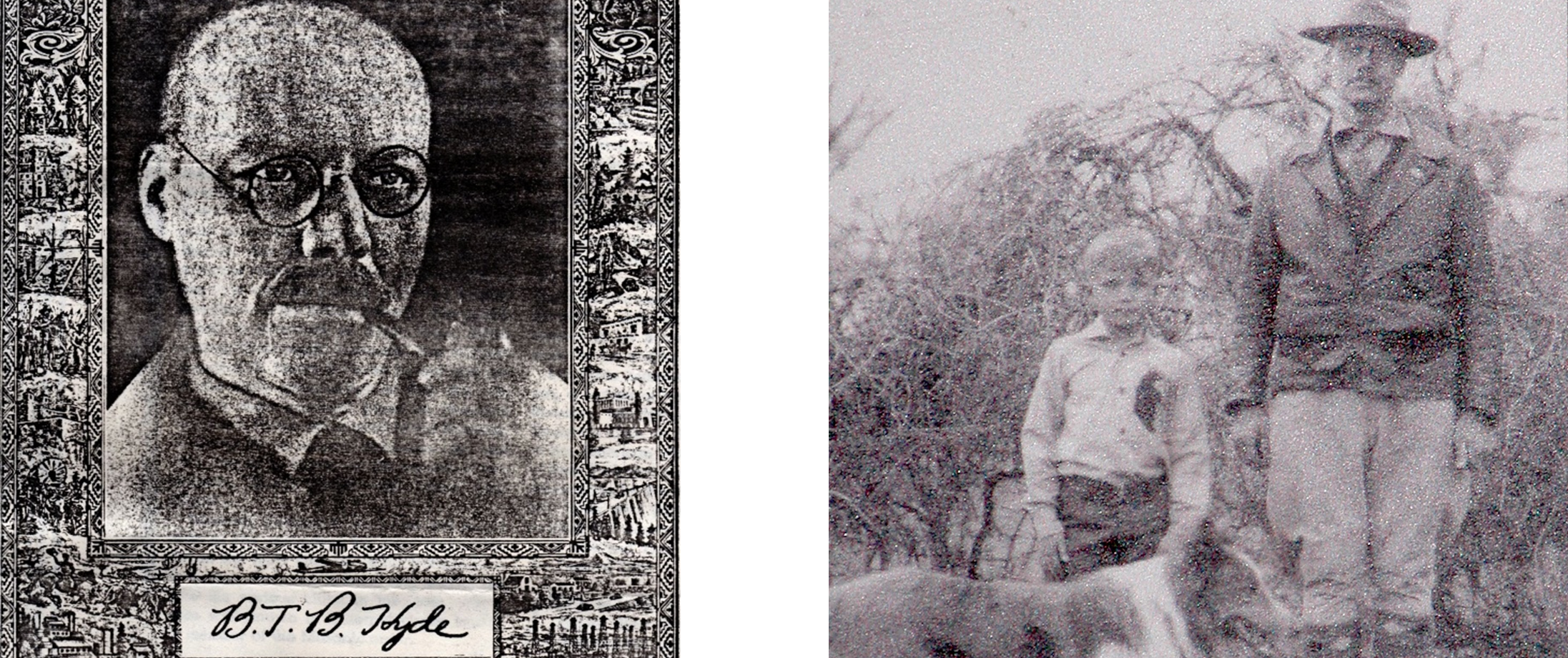
Because it is hard to define a nature center precisely, it also becomes a bit arbitrary to identify the first one. Raymond Kordish and Frank Graham Jr., who ran the National Audubon Society’s Nature Centers Division in the mid-1970s, described an operation launched in 1920 outside of New York City as “one of the earliest successful ventures of this kind.” They attributed the start of the nature center idea to Benjamin Talbot Babbitt Hyde, a member of a socially prominent New York family who was a big advocate of nature education, especially for urban youth. Hyde wanted to give them opportunities “to live in the woods for a while and go home knowing more about the land than when they arrived.” To that end, he convinced a Boy Scout camp director in Bear Mountain State Park on the Hudson River just north of the city to allow him to create a “nature museum” as a supplemental activity for Scout camps. Hyde’s “nature museum” had many features later nature centers would come to embrace themselves: a staff of naturalist-instructors, nature lectures, guided walks, “before-breakfast” bird study hikes, and live animals (including an owl, snakes, and a “very tame skunk”).
The Bear Mountain Park facility primarily served Scouts, but the concept inspired other nature education enthusiasts in the region. When the first nature centers to serve broader audiences emerged, they were also in the greater New York City region. In 1941, in Watchung Reservation just west of Newark over on the New Jersey side of the Hudson, a small nature display set up on a table in a plant nursery maintenance garage was such a hit that the whole building was quickly given over to exhibits and morphed into the Trailside Museum (now the Trailside Nature & Science Center). In 1943, a donated tract of land in Greenwich, Connecticut, became the site for the Audubon Nature Center at Greenwich (now the Greenwich Audubon Center)–the first of what ultimately became a nationwide network of nature centers operated by the National Audubon Society. By the 1950s and early 1960s, the nature center idea began to catch on in other places, and new centers opened in more rapid succession: Aullwood Audubon Center in Dayton, Ohio (1957); the Hudson Highlands Nature Museum in Cornwall, New York (1959); Kalamazoo Nature Center in Michigan (1960); Austin Nature & Science Center in Texas (1960); and New Canaan Nature Center in Connecticut (1960) are some prominent examples. With the arrival of the environmental awakening in the 1970s and driven by early advocates like John Ripley Forbes (who founded the Natural Science for Youth Foundation) and the team at Audubon’s Nature Centers Division, nature centers began popping up like mushrooms after a rain.
